Home / Commercial Roofing
Commercial Roofing In Colorado Springs, CO
Commercial roofing in Colorado Springs, CO should control water, preserve system continuity, and limit disruption without turning one isolated defect into unnecessary full-roof work.
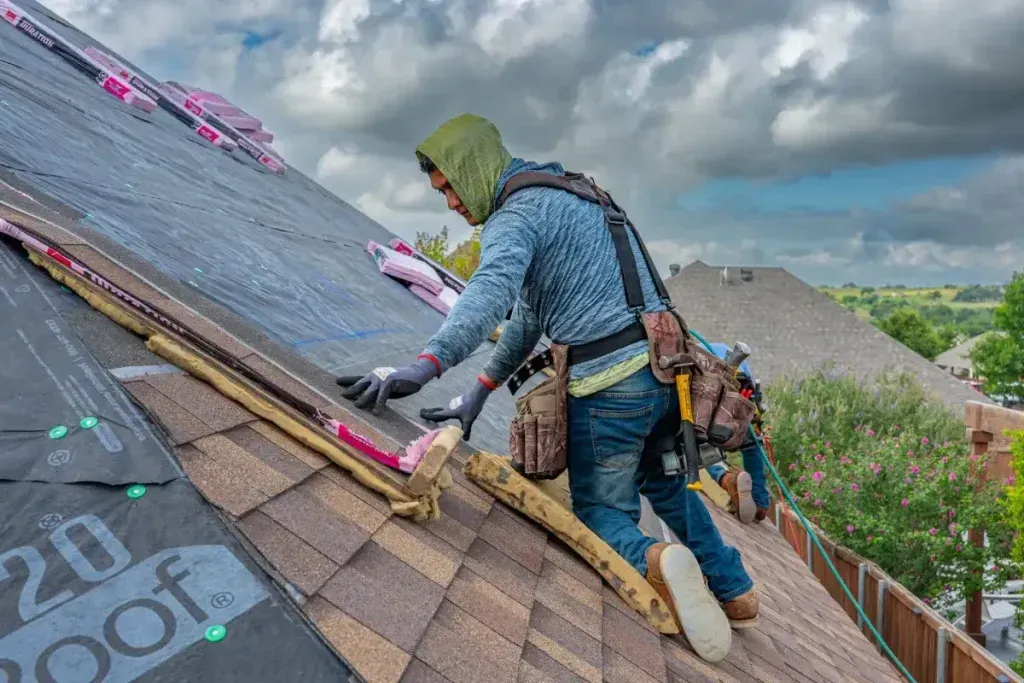
Scheduled around your operating hours.
Maintaining Large Commercial Roofs Depends On Minor Details
A commercial roof may cover a broad building footprint, yet recurring problems often develop around seams, penetrations, drainage points, roof edges, equipment curbs, flashing transitions, or previously repaired sections. TJM Roofing and Construction reviews how these details interact before recommending commercial roof repair, maintenance, replacement, or a new installation.
Commercial roofing in Colorado Springs, CO must account for low slopes, gradual drainage, membrane movement, rooftop equipment, weather exposure, and the way moisture can travel beneath the visible surface. A leak near one interior area may begin farther away, while ponding water or open seams can place repeated stress on the same roof zones over time.
- Membrane Seam Condition Review
- Drainage Pattern Risk Mapping
- Rooftop Penetration Detail Assessment
- Perimeter Attachment Condition Review
- Commercial Leak Path Tracing
- Replacement Priority Area Planning
Commercial Roof Systems For Drainage, Movement & Building Use
Our expert commercial roofing contractor services address both low-slope and metal roof systems across business properties. The appropriate service depends on membrane condition, roof configuration, drainage performance, previous repairs, access requirements, exposed edges, penetrations, and whether the affected area can be isolated without compromising adjoining sections.
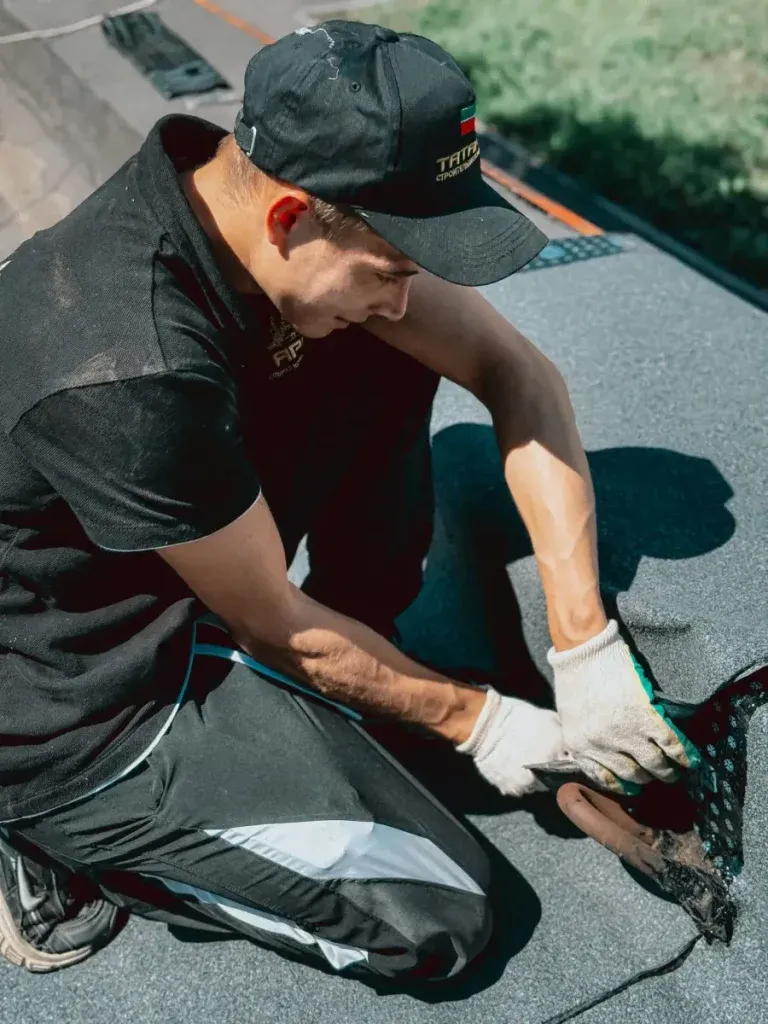
Flat Roof Systems
Commercial flat roofing includes TPO, EPDM, and modified bitumen applications where appropriate.
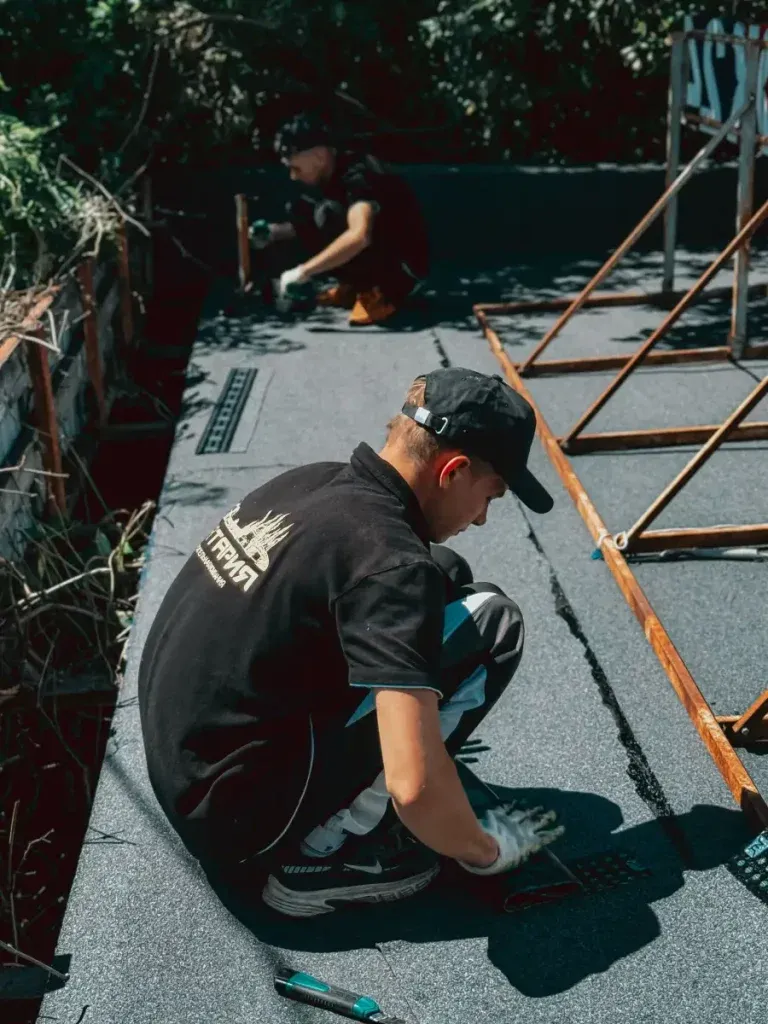
Metal Roof Systems
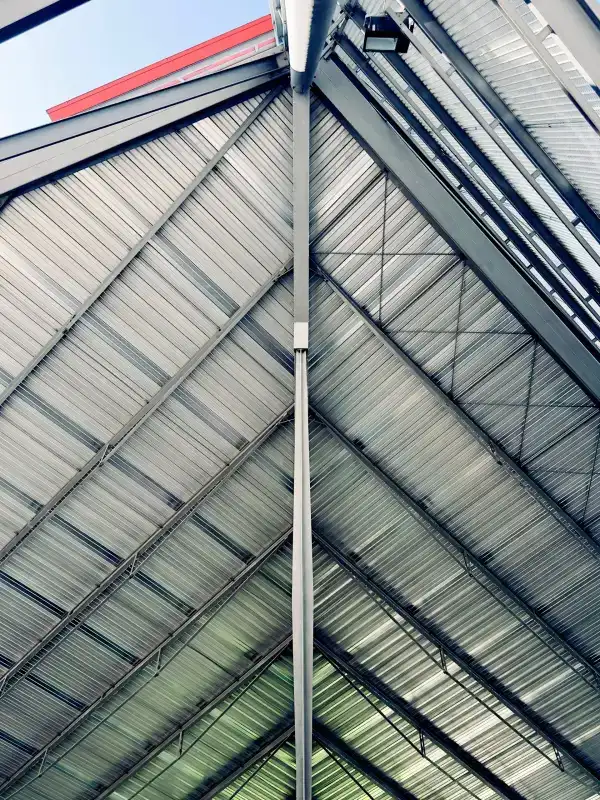
Commercial metal roofing addresses panels, seams, fasteners, flashing, edges, and penetrations.
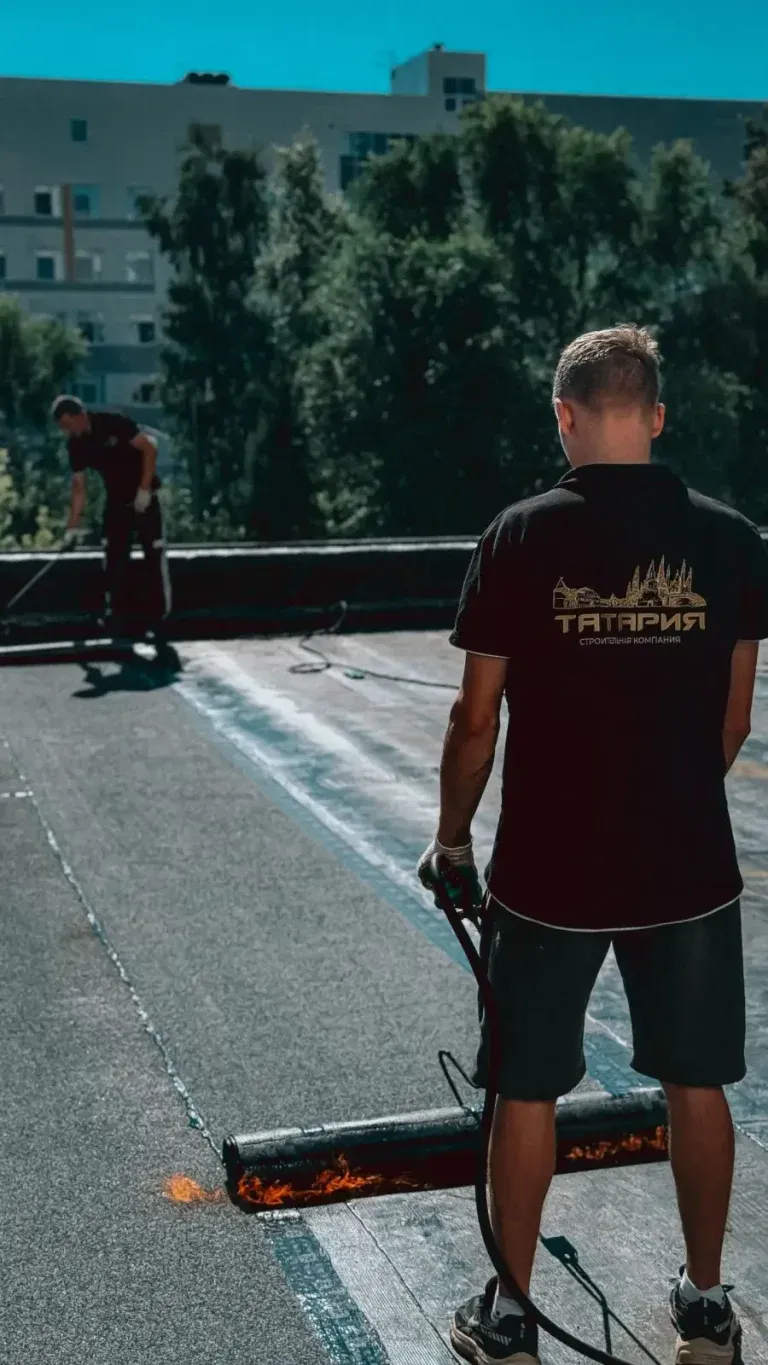
Repairs & Maintenance
Commercial roof repair and maintenance target defined defects before they spread farther.
Installation & Replacement
New systems or replacement scopes follow building design, drainage, and material compatibility.
How We Solve A Commercial Roofing Problem
The work process is built around locating the affected roof area, understanding how the system behaves, and planning a practical scope around building operations.
Building Review
We consider roof access, occupied areas, rooftop equipment, drainage points, and visible interior symptoms.
System Mapping
Membranes, seams, penetrations, flashings, edges, drains, scuppers, and transitions are reviewed together.
Moisture Tracing
Leak locations are compared with likely water paths, ponding areas, and stressed roof details.
Scope Prioritization
Repair, maintenance, replacement, or installation needs are ranked by condition and functional importance.
Work Coordination
The approved commercial roofing scope is organized around access, property activity, and system requirements.
Commercial Roofing Recommendations For Regular Maintenance
TJM Roofing and Construction does not treat every commercial leak as a membrane-wide failure. We compare drainage, seam condition, penetrations, perimeter details, and surrounding roof areas before defining how much work the building actually needs.
Detail Awareness
Commercial failures are often traced through seams, drains, curbs, edges, or penetrations.
Area Isolation
We distinguish one repairable zone from deterioration affecting broader roof sections.
System Matching
TPO, EPDM, modified bitumen, flat roofing, and metal systems require different reasoning.
Operational Planning
Roofing recommendations consider building access and normal property activity before work begins.
Frequently Asked Questions
These answers address commercial leak behavior, membrane conditions, drainage, repairability, and replacement planning.
Why does a commercial roof leak appear far from the damaged area?
Water can enter through an open seam, penetration, flashing transition, puncture, or perimeter detail and then travel beneath the membrane before reaching the interior. The ceiling stain may show where moisture exited the assembly, not where it first entered, so surface assumptions can lead to incomplete repairs.
Is ponding water always a sign that a flat commercial roof has failed?
Not always, but repeated ponding deserves attention because standing water can increase stress on seams, flashing, repairs, and drainage areas. The cause may involve low spots, blocked drains, insufficient slope, or settlement. The surrounding membrane condition helps determine whether maintenance, repair, or broader work is appropriate.
Can only one section of a commercial roof be repaired or replaced?
Yes, when the affected area can be clearly isolated and adjoining materials remain serviceable and compatible. Sectional work becomes less dependable when deterioration extends beyond visible boundaries, membrane movement affects nearby seams, or repeated repairs have created overlapping failure points across a wider roof area.
What is the difference between TPO and EPDM commercial roofing?
TPO is a thermoplastic single-ply membrane commonly joined with heat-welded seams, while EPDM is a synthetic rubber membrane that relies on compatible seam and flashing methods. Both can serve low-slope buildings, but roof design, drainage, penetrations, climate exposure, and existing conditions influence suitability.
When does commercial roof maintenance stop being enough?
Maintenance becomes less practical when leaks recur across several areas, seams or flashing repeatedly fail, drainage problems remain unresolved, or the membrane has widespread aging, shrinkage, punctures, or surface deterioration. At that point, commercial roof replacement may provide a more reliable system-level solution than repeated localized work.
Prevent Roofing Problems From Becoming Bigger
Share where leaks appear, how often they return, and whether ponding, membrane damage, or storm exposure is involved. Those details help narrow the next commercial roofing step.
Supporting Commercial Roof Performance
Commercial roof concerns often connect to flat roofing systems, membrane-specific work, and inspections that clarify whether the problem is isolated or system-wide. Property owners seeking commercial roofing in Fountain, CO can also review location-specific service information. Our flat commercial roofing systems and TPO roof systems support commercial properties where low-slope drainage, membrane continuity, and rooftop penetrations require coordinated planning.
Flat Roofing
Evaluate low-slope drainage, ponding, seams, penetrations, and membrane condition.
TPO Roofing
Review welded seams, punctures, perimeters, flashing transitions, and drainage zones.
Roof Inspection
Use a business roof inspection to clarify active damage and maintenance priorities.
See What People Say About Us
Customers remain confident when affected roof zones are clearly identified, priorities are explained, and the approved work fits both the roofing system and building activity.
Posted on GoogleTrustindex verifies that the original source of the review is Google. Tom was incredibly knowledgeable and helpful in replacing my homes roof which had extensive damage due to wear, tear and hail. He absolutely knocked it out the park, especially for the value and quality of his craft. He was very professional, fair priced, communicative, respectful of the property, with an outstanding outcome, 10/10 recommendation!Posted on GoogleTrustindex verifies that the original source of the review is Google. I am very happy with the work this company did for me. Tom was friendly and upfront about everything and their work was excellent. Thank you.Posted on GoogleTrustindex verifies that the original source of the review is Google. I had TJM roofing replace my roof and they did an outstanding job! They worked with my insurance and took care of everything! They made everything a breeze! Highly recommend :)
Need A Commercial Roof Assessed?
Whether the concern involves ponding water, open seams, membrane punctures, metal roof transitions, recurring leaks, or system-wide aging, TJM Roofing and Construction helps commercial property owners move from isolated symptoms to a practical roofing plan.