Home / Roof Repair
Roof Repair In Colorado Springs, CO
Choose TJM Roofing and Construction for roof repair in Colorado Springs, CO that traces the source, defines the damage, and fixes more than the visible symptom.
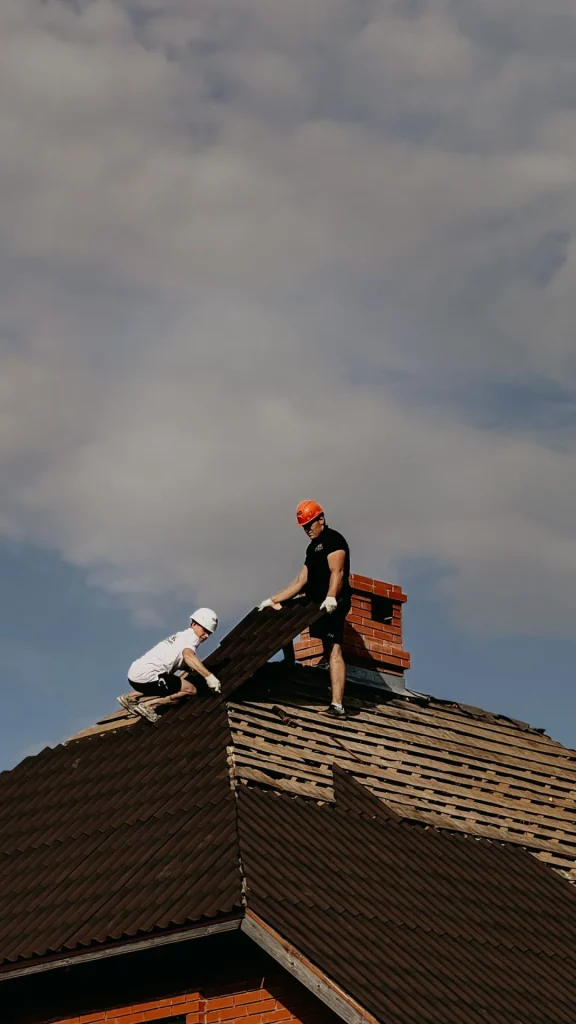
Identifying The Roofing Failure Before Repair Work
A ceiling stain, missing shingle, loose flashing edge, or punctured membrane only shows where a roofing problem became noticeable. Our roof repair in Colorado Springs, CO addresses residential and commercial leaks, damaged shingles, failed flashing, vents, roof penetrations, flat roofing membranes, minor metal roof defects, and storm-related damage.
TJM Roofing and Construction works backward from that evidence, traces the likely water path, checks nearby components, and identifies what stopped performing before we define the repair. We keep the work focused when the failure is contained, but we also explain when weakened surrounding materials require a wider repair to prevent the same problem from returning.
- Active Leak Source Tracing
- Shingle Damage Boundary Testing
- Flashing Transition Failure Review
- Roof Penetration Seal Repair
- Storm Impact Area Comparison
- Flat Membrane Puncture Assessment
Addressing The Component Causing The Problem
We do not treat every leak with the same patch. We match the repair method to the roofing material, failure point, adjoining condition, and way the affected area connects to the rest of the roof. Our roof repair services cover the components most likely to allow water, wind, or impact damage into the roofing assembly.
Shingles & Edges
We replace missing, cracked, creased, or lifted shingles and review nearby courses for related wind or impact damage.
Flashing & Vents
We address separated flashing, vulnerable transitions, damaged vents, loose fasteners, and openings around roof-mounted components.
Penetrations & Punctures
We repair defined openings around pipes, equipment, fasteners, and punctured low-slope roofing membranes.
Flat & Metal
We correct localized membrane defects, open details, minor panel concerns, and leaking metal roof connections.
How We Repair Your Roofs
Our process follows the route water, wind, or impact damage likely took through the roof. That gives each repair a clear starting point and a defensible boundary.
History Review
We ask when the problem appeared, which weather preceded it, and whether previous repairs addressed the same location.
Path Tracing
We compare interior evidence with roof slope, valleys, penetrations, decking direction, flashing, and exterior transitions.
Boundary Testing
We check the failed component and adjoining materials to determine exactly how far the repair must extend.
Method Matching
We select the repair method that fits the damaged shingles, flashing, membrane, vent, fastener, or penetration.
Area Verification
We confirm that the approved repair addresses the defined failure zone without disturbing roofing that remains serviceable.
Roofing Repair Approach For Minor Details
TJM Roofing and Construction gives customers a stronger reason to choose professional repair over another surface patch. We identify the failure, test its limits, and explain why each included component belongs within the work.
Source-Focused Work
We trace the likely entry point instead of assuming the interior stain sits directly beneath the damage.
Controlled Repair Scope
We keep repairs focused while including adjoining materials that can no longer support dependable localized work.
Material-Specific Methods
We approach shingles, metal panels, flashing, vents, and membranes according to how each system performs.
Repeat-Leak Prevention
We consider failed patches and previous repair points that may reveal a wider unresolved roofing condition.
Frequently Asked Questions
These answers address recurring leaks, damaged shingles, flashing failures, membrane punctures, and repair limitations.
Why can a roof continue leaking after someone has already patched it?
A patch can cover the suspected opening while leaving the actual entry point untreated. Water may travel under shingles, along decking, through failed flashing, or around a penetration. We trace that route and review the surrounding materials so the new repair addresses the failure rather than only the visible symptom.
Can damaged flashing be repaired without replacing the surrounding roof?
Yes, roof flashing repair can remain localized when the failed section is clearly defined, and nearby shingles, underlayment, fasteners, and transitions remain serviceable. We widen the scope only when corrosion, separation, trapped moisture, or previous sealant work has affected the materials needed to support the repair.
Is replacing one missing shingle enough after strong winds?
It can be enough when the damage is genuinely isolated. However, wind may also break seal strips, crease adjoining shingles, loosen fasteners, lift edges, or expose underlayment. We check the surrounding courses before completing damaged shingle repair so the visible gap does not hide a broader affected area.
Can a puncture in a flat commercial roof be repaired locally?
A roof puncture repair can remain localized when the opening is defined, the surrounding membrane remains compatible and serviceable, and moisture has not spread beneath the system. We also examine nearby seams, flashing, insulation, and ponding areas because those conditions may change the repair boundary or method.
When is minor roof damage too extensive for a dependable repair?
Repair becomes less practical when deterioration spreads across adjoining materials, leaks recur in several locations, shingles have become brittle, or previous patches overlap. Broad storm impact, widespread membrane aging, and weak attachment points can also prevent a localized repair from forming a reliable connection with the existing roof.
Fixing Roofing Failure From The Root
Tell us where the problem appears, when it began, and whether a storm or previous repair preceded it. We will use those details to narrow the source.
Clarifying Damage Beyond The Immediate Repair Area
Some roof problems need closer inspection, storm evaluation, or replacement planning before we can establish a reliable repair boundary and protect the surrounding roofing system. Customers seeking roof repair in Security-Widefield, CO receive the same source-focused approach to shingles, flashing, vents, flat membranes, metal connections, and storm-related damage. As a Colorado Springs roofing contractor, we help property owners understand whether the problem calls for repair, inspection, or a larger roofing decision.
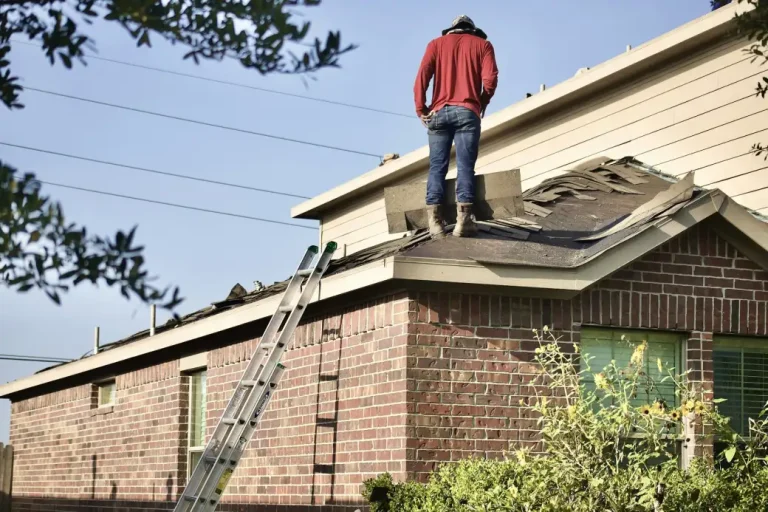
Roof Inspection
Our roof damage inspections reveal affected components, hidden deterioration, moisture paths, and repairability concerns.
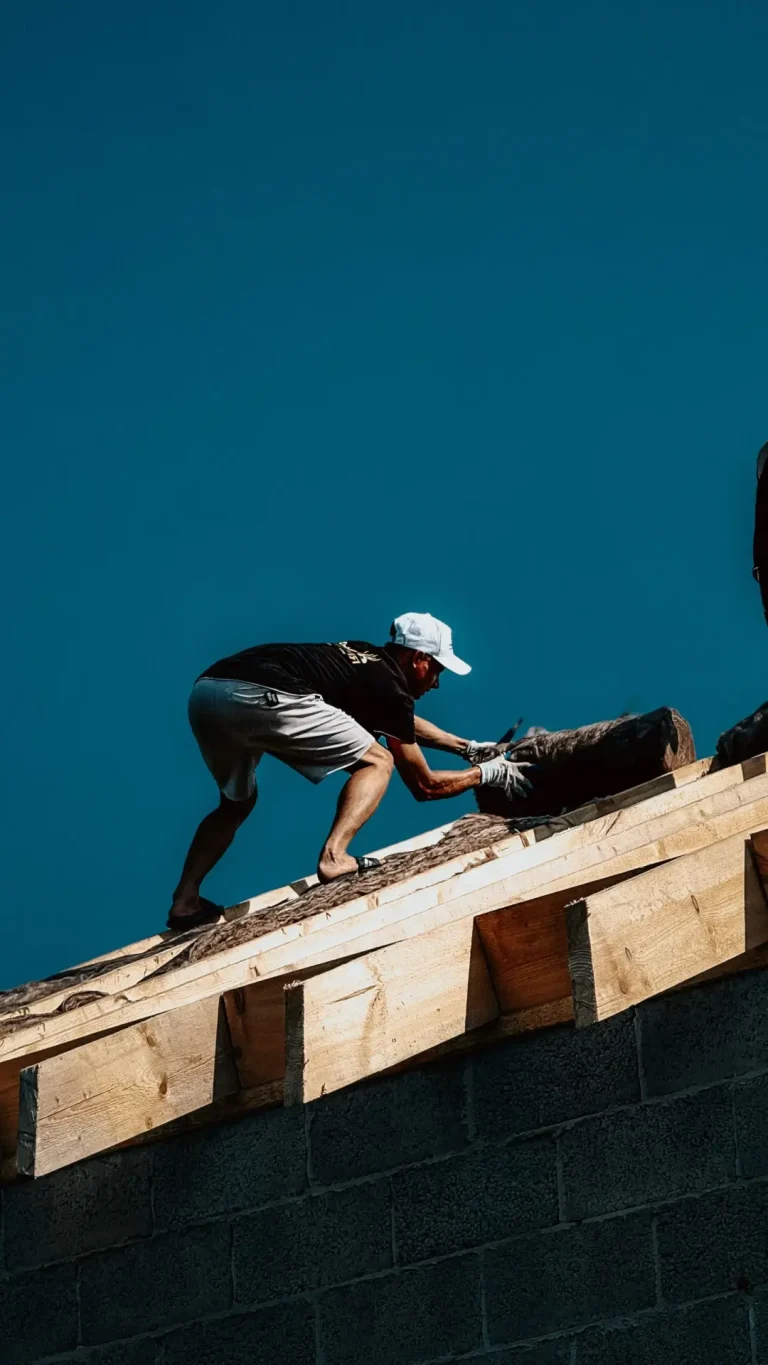
Storm Roofing
We assess hail, wind uplift, punctures, and possible storm-damaged roof restoration needs.
Roof Replacement
We recommend broader work only when the existing system can no longer support dependable localized repairs.
What People Say About Our Repair Work
Homeowners and property managers value knowing where the failure likely began, why the repair includes specific components, and which surrounding roof areas can remain undisturbed.
Posted on GoogleTrustindex verifies that the original source of the review is Google. Tom was incredibly knowledgeable and helpful in replacing my homes roof which had extensive damage due to wear, tear and hail. He absolutely knocked it out the park, especially for the value and quality of his craft. He was very professional, fair priced, communicative, respectful of the property, with an outstanding outcome, 10/10 recommendation!Posted on GoogleTrustindex verifies that the original source of the review is Google. I am very happy with the work this company did for me. Tom was friendly and upfront about everything and their work was excellent. Thank you.Posted on GoogleTrustindex verifies that the original source of the review is Google. I had TJM roofing replace my roof and they did an outstanding job! They worked with my insurance and took care of everything! They made everything a breeze! Highly recommend :)
Call TJM Roofing and Construction For Roof Repair In Colorado Springs
A leaking vent, missing shingle, failed flashing joint, membrane puncture, or storm-damaged section can continue spreading when the repair misses its source. Choose TJM Roofing and Construction to define the affected area and complete the work with a clear roofing reason.