Home / EPDM Roofing
EPDM Roofing In Colorado Springs, CO
EPDM roofing in Colorado Springs, CO gives low-slope buildings a flexible rubber membrane when attachment, seams, flashing, and roof-edge tension are carefully planned.
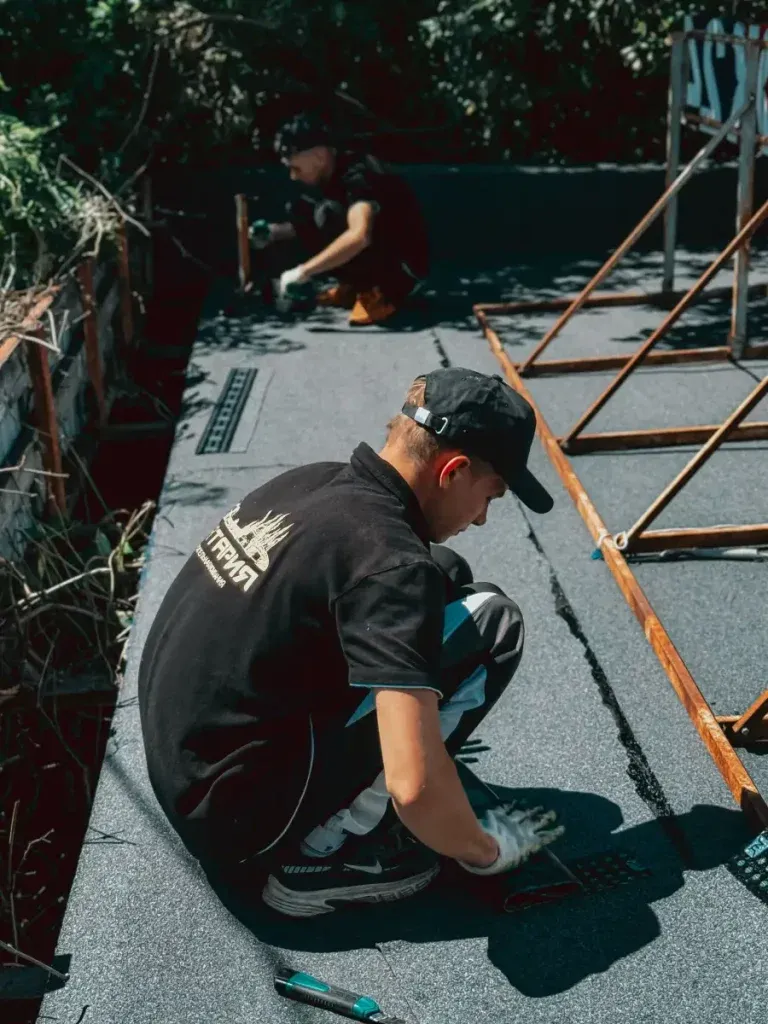
EPDM Roofing Built For Membrane Quality
EPDM remains flexible through temperature changes that make many roofing materials expand and contract. That movement becomes a concern when membrane shrinkage, aging seams, tight flashing, weakened adhesion, or stressed perimeter details pull against fixed roof components. TJM Roofing and Construction plans EPDM work around those forces rather than treating the membrane as a motionless surface.
Our team installs, repairs, and replaces rubber roofing across commercial and suitable low-slope structures. We consider roof dimensions, substrate condition, insulation, attachment, drainage, penetrations, existing patches, and membrane age before selecting the work. This helps us preserve serviceable EPDM while addressing tension or deterioration that can no longer support another localized repair.
- Membrane Tension Pattern Review
- Seam Adhesion Condition Testing
- Perimeter Shrinkage Stress Control
- Penetration Flashing Movement Planning
- Existing Patch Compatibility Assessment
- Low-Slope Drainage Detail Coordination
Commercial EPDM Roofing Services In Colorado Springs
Open membrane fields can absorb normal movement, but drains, walls, curbs, pipes, edges, and seams create fixed transitions. Our EPDM roofing services focus on these high-stress areas while accounting for how the surrounding rubber membrane has aged, stretched, contracted, or previously been repaired.
Rubber Roof Installation
We install fully adhered or mechanically attached EPDM around the approved roof assembly.
Seam Adhesion Repair
We address separated laps, aging seam materials, movement stress, and compatible repair preparation.
Flashing Transition Work
We reinforce connections around curbs, walls, pipes, drains, corners, and roof edges.
Membrane Roof Replacement
We replace widespread rubber membrane deterioration that no longer supports reliable sectional repairs.
Our Structured EPDM Roofing Process
EPDM repair and installation require more than covering an opening. We examine where the membrane is pulling, which details resist that movement, and whether the existing surface can accept new materials.
Tension Mapping
We look for shrinkage, bridging, tight corners, stressed seams, and movement near fixed components.
Surface Preparation
We prepare serviceable membrane areas for compatible bonding, seam work, flashing, or patch installation.
Attachment Response
We account for fully adhered or mechanically attached conditions when defining the roofing method.
Detail Reconstruction
We rebuild compatible transitions around drains, penetrations, curbs, walls, corners, and roof perimeters.
Membrane Balance
We complete the approved work without trapping avoidable tension against repaired or newly flashed details.
Why EPDM Repairs Fail In Harsh Weather Conditions
TJM Roofing and Construction considers the forces acting on the membrane before bonding another patch. We address seam stress, shrinkage, fixed transitions, and existing repair materials so the work responds to the roof rather than covering its latest opening.
Tension Recognition
We identify where membrane movement is pulling against seams, flashings, penetrations, or edges.
Bonding Preparation
We treat surface condition and material compatibility as essential parts of dependable rubber roof repair.
Detail Flexibility
We plan transitions that accommodate normal movement without leaving loose or overstressed membrane areas.
Repair Restraint
We avoid adding isolated patches where widespread shrinkage or deterioration has already changed the roof.
Frequently Asked Questions
These answers address EPDM shrinkage, seam separation, attachment methods, patches, and membrane replacement.
Why does an EPDM membrane pull away from roof edges or penetrations?
EPDM can contract as it ages, creating tension around fixed components such as walls, curbs, pipes, drains, and roof perimeters. Weak adhesion, tight original flashing, or repeated temperature movement may increase that stress. Repair must address both the separation and the movement pulling against it.
Can an old EPDM roof accept another rubber membrane patch?
It may accept a patch when the existing membrane remains dry, stable, cleanable, and compatible with the repair materials. Heavy oxidation, embedded contamination, widespread cracking, coatings, trapped moisture, or overlapping previous repairs can prevent reliable bonding and may indicate that a larger section requires attention.
What is the difference between fully adhered and mechanically attached EPDM?
Fully adhered EPDM bonds the membrane across a prepared roof surface, while mechanically attached systems use approved fasteners and plates within the assembly. Roof dimensions, substrate, insulation, wind exposure, penetrations, and project requirements influence attachment selection. Each method also transfers membrane movement differently.
Does black EPDM membrane make a commercial roof too hot?
Black membrane roofing absorbs more solar heat than many light-colored surfaces, but total roof and building performance also depends on insulation, deck construction, ventilation, climate, HVAC use, and roof design. Membrane color alone does not determine whether a roofing system is suitable or energy efficient.
When should EPDM roof replacement take priority over seam repair?
EPDM roof replacement becomes more practical when shrinkage affects several perimeters or penetrations, seams repeatedly separate, the membrane has widespread cracking, moisture reaches underlying components, or accumulated patches no longer bond reliably. In those conditions, another seam repair may not resolve the broader membrane stress.
Stop Repatching A Shrinking Membrane
Show us where seams have opened, flashing has lifted, or previous repairs are failing. We will assess whether membrane tension or surface deterioration is driving the problem.
Schedule Our Expert Low-Slope Roofing Appointments
EPDM concerns may connect to broader flat-roof conditions, commercial property requirements, or system-wide deterioration that affects more than one rubber membrane seam or flashing detail. EPDM can support commercial roofing in Ellicott, CO where the building configuration, low-slope drainage, substrate, and intended roof assembly suit a single-ply rubber membrane.
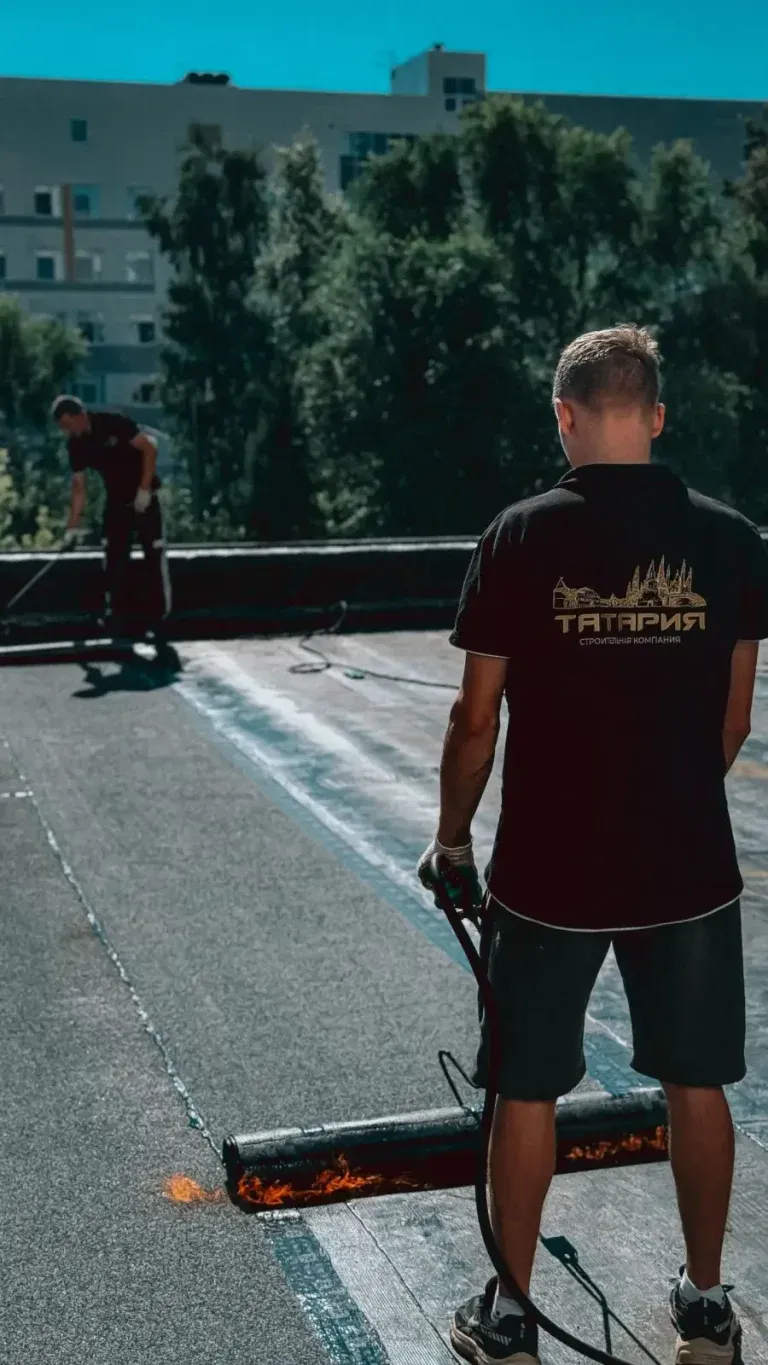
Flat Roofing
Our flat roofing systems coordinate membranes with drainage, insulation, penetrations, perimeters, and roof edges.
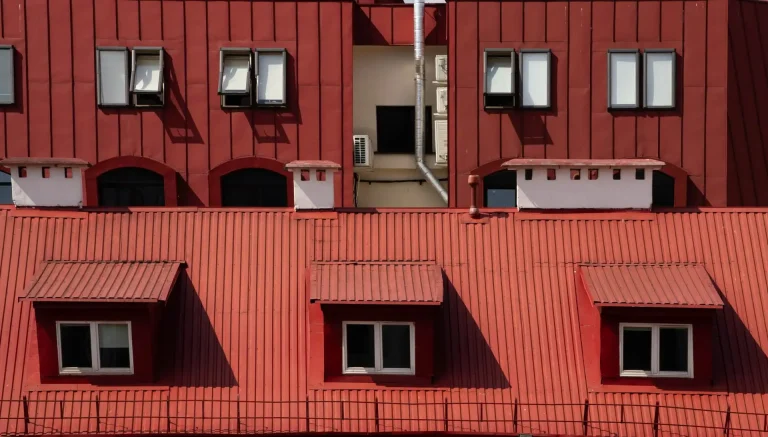
Commercial Roofing
Experienced local commercial roofers can consider access, equipment, occupied spaces, and low-slope system demands.
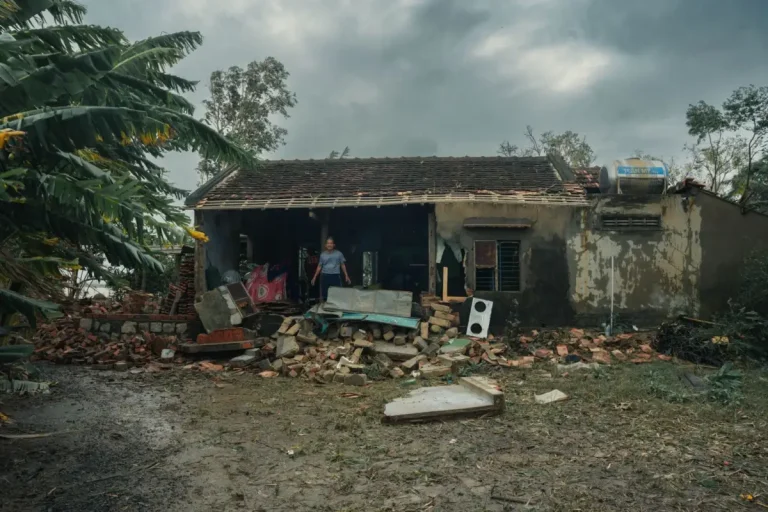
Rubber Roofing
Our commercial rubber roofing work addresses EPDM installation, repairs, seams, flashing, and replacement.
Why Clients Trust Our EPDM Work
Customers gain confidence when they understand how shrinkage, seam adhesion, flashing stress, existing patches, and attachment conditions shaped the recommended EPDM roofing scope.
Posted on GoogleTrustindex verifies that the original source of the review is Google. Tom was incredibly knowledgeable and helpful in replacing my homes roof which had extensive damage due to wear, tear and hail. He absolutely knocked it out the park, especially for the value and quality of his craft. He was very professional, fair priced, communicative, respectful of the property, with an outstanding outcome, 10/10 recommendation!Posted on GoogleTrustindex verifies that the original source of the review is Google. I am very happy with the work this company did for me. Tom was friendly and upfront about everything and their work was excellent. Thank you.Posted on GoogleTrustindex verifies that the original source of the review is Google. I had TJM roofing replace my roof and they did an outstanding job! They worked with my insurance and took care of everything! They made everything a breeze! Highly recommend :)
Restore Your EPDM Roof Performance With TJM Roofing and Construction
Choose TJM Roofing and Construction for EPDM installation, repair, or replacement that balances membrane flexibility with secure seams, compatible bonding, resilient flashing, controlled edges, and properly planned low-slope drainage.