Home / Flat Roofing
Flat Roofing In Colorado Springs, CO
Contact TJM Roofing and Construction for flat roofing in Colorado Springs, CO designed to move water toward drainage points instead of leaving it against vulnerable roof details.
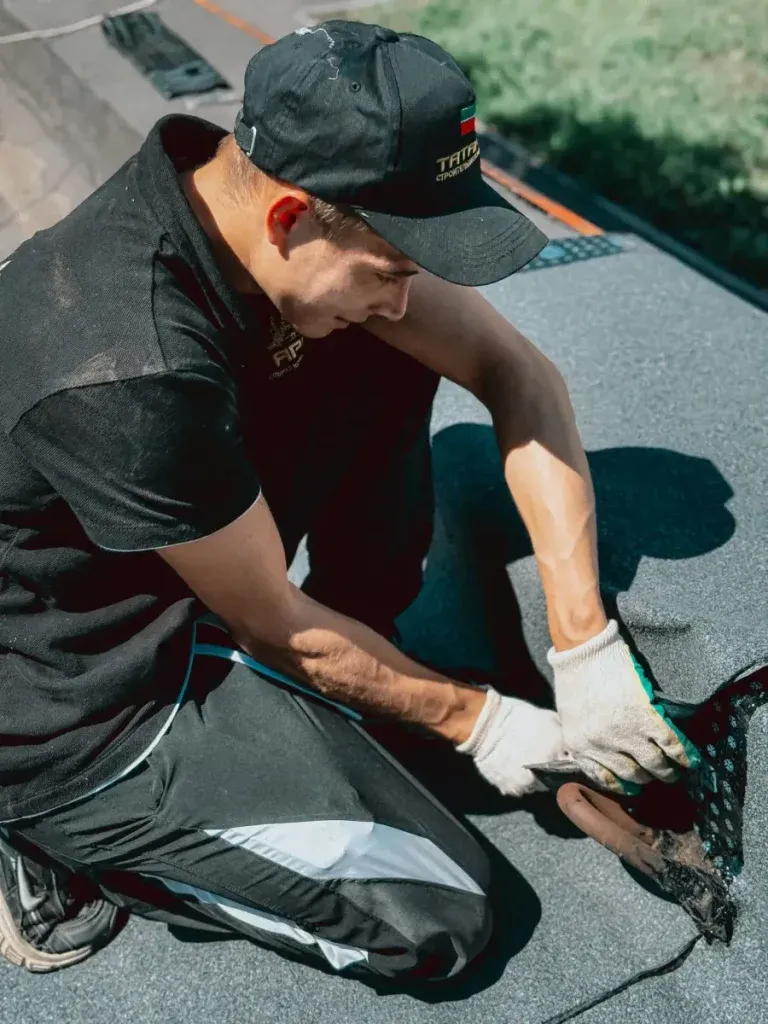
Building Drainage Paths For Smooth Water Flow
Steep roofs move runoff quickly through gravity. Flat and low-slope roofs hold water on the surface longer, which places greater pressure on drains, seams, penetrations, flashing, roof edges, and previously repaired areas. TJM Roofing and Construction plans each project around how water enters, travels across, and exits the roof.
We install, repair, inspect, and replace commercial and residential flat roofs using systems suited to the structure and approved scope. Our work addresses membrane continuity, drainage patterns, ponding areas, perimeter details, rooftop penetrations, insulation conditions, and transitions where different materials meet. That broader view helps prevent one wet area from becoming a repeating leak cycle.
- Drainage Path Performance Mapping
- Ponding Water Area Review
- Membrane Continuity Detail Planning
- Penetration Flashing Risk Control
- Perimeter Water Entry Protection
- Low-Slope System Compatibility Assessment
Flat Roof Services Organized Around Effective Water Drainage
Every low-slope roof has areas that carry more drainage pressure than others. Our services address the membranes, drains, seams, transitions, penetrations, and edge conditions that influence whether water leaves the roof efficiently or remains against vulnerable components.
New Membrane Installation
We coordinate the roof surface, insulation, flashing, drainage, edges, and selected membrane system.
Flat Roof Repair
We correct punctures, seam concerns, flashing failures, and localized water-entry points.
Complete Roof Replacement
We rebuild deteriorated roof areas when recurring defects extend beyond dependable localized work.
Drainage & Inspection
We evaluate ponding, drains, scuppers, low areas, penetrations, and visible membrane stress.
Our Structured Roofing Work Method
Our process tracks how moisture behaves across the roof, then connects installation, repair, or replacement work to the areas carrying the greatest drainage and exposure pressure.
Water Pattern Review
We identify ponding zones, slow-draining areas, interior leak locations, and recurring wet sections.
Surface Mapping
We trace seams, penetrations, drains, scuppers, edges, flashing, and rooftop transitions across the roof.
Pressure Point Testing
We examine areas where standing water, membrane movement, or repeated runoff stresses the system.
System Response
We match the work to TPO, EPDM, modified bitumen, metal, or another approved low-slope system.
Drainage Coordination
We complete the roofing scope around the roof’s intended water path and connected details.
Choose Flat Roofing Work Solving The Water Pattern
TJM Roofing and Construction helps property owners avoid disconnected repairs that ignore ponding, nearby seams, stressed penetrations, or drainage limitations. We connect the visible problem to the surface conditions that keep placing water in the same area.
Drainage-Led Decisions
We evaluate where water slows or gathers before deciding how the roofing scope should respond.
Membrane-Specific Planning
We adapt installation and repair methods to the selected membrane and attachment requirements.
Connected Detail Review
We include seams, edges, penetrations, drains, and flashing that influence the affected roof area.
Practical Scope Control
We keep work localized when the membrane and surrounding details can still support it.
Frequently Asked Questions
These answers address ponding, membrane leaks, drainage, repairability, and low-slope roofing choices.
Does ponding water always mean a flat roof needs replacement?
No. Ponding may result from blocked drainage, low areas, settlement, insulation movement, or an inadequate water path. Replacement becomes more relevant when standing water repeatedly stresses deteriorated seams, flashing, or membrane sections. We evaluate both the drainage condition and surrounding roofing before defining the scope.
Why can a flat roof leak far from the interior water stain?
Moisture can enter through a seam, puncture, flashing transition, drain, edge, or rooftop penetration and move beneath the membrane before reaching the interior. The visible stain shows where water escaped the assembly, not necessarily where it entered, so reliable flat roof leak repair requires broader tracing.
Can only the damaged section of a flat roof be repaired?
Yes, when the defect has a clear boundary and the surrounding membrane remains dry, compatible, and serviceable. Localized work becomes less dependable when moisture has spread beneath the surface, seams are failing nearby, ponding continues, or previous repairs overlap across the same roof area.
What is the difference between TPO, EPDM, and modified bitumen roofing?
TPO uses thermoplastic membrane sheets commonly joined through heat-welded seams. EPDM uses a synthetic rubber membrane with compatible seam and flashing methods. Modified bitumen uses asphalt-based reinforced layers. Roof design, drainage, existing construction, penetrations, exposure, and approved project requirements influence which system fits.
Can metal roofing work on a low-slope building?
Certain metal systems may suit low-slope roofs when the panel profile, seam configuration, attachment method, flashing details, and drainage requirements support that application. Low slopes leave less room for installation error, so the system must control water at seams, penetrations, edges, and transitions.
Stop Letting Water Dripping Again!
Show us where water collects, where leaks appear, and how long drainage takes after the weather. Those details help reveal whether the roof needs repair, correction, or replacement.
Strengthening The Entire Low-Slope Water Path
Property owners seeking commercial roofing in Stratmoor, CO can review localized service information for flat and low-slope buildings. Our commercial roofing systems include appropriate membrane, metal, drainage, repair, replacement, and installation options based on the property’s roof configuration. Flat roofs often connect to membrane-specific service, commercial roof planning, and inspection work that clarifies whether drainage, material decline, or an isolated defect drives the problem.
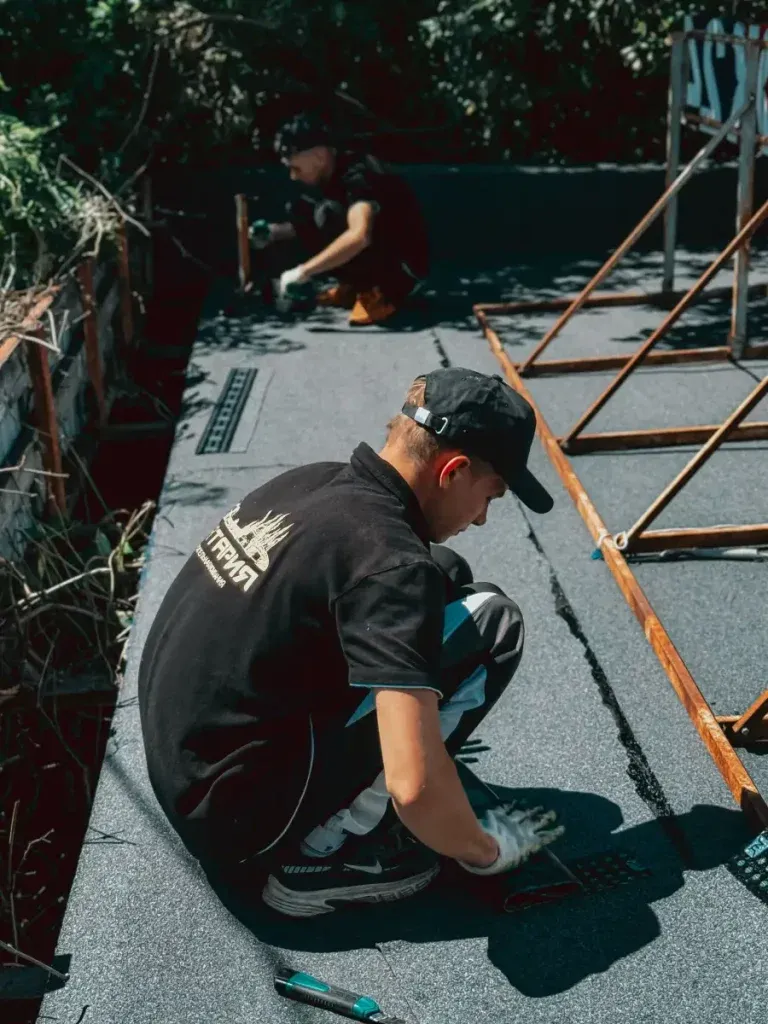
Commercial Roofing
A commercial roofing company can coordinate low-slope surfaces with building access, rooftop equipment, drainage, and occupied spaces.
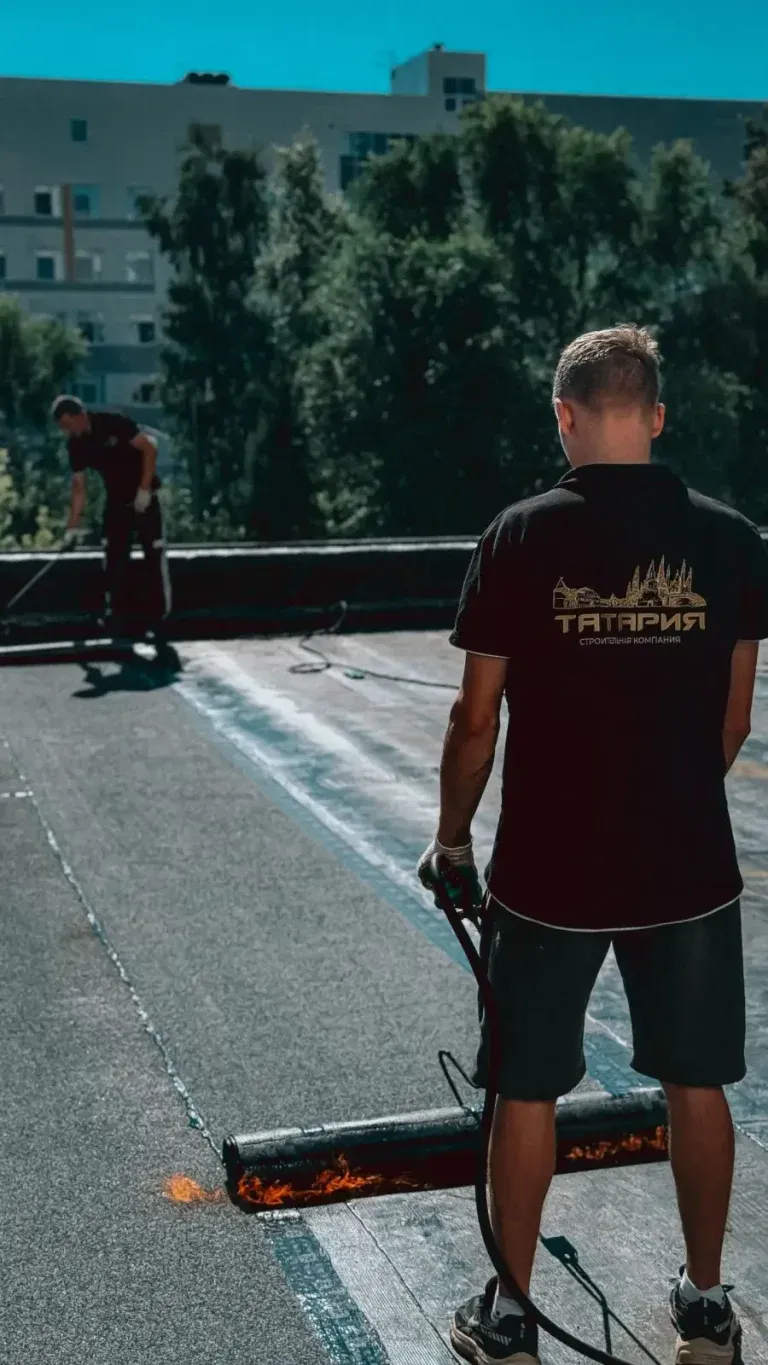
TPO Roofing
Our work with TPO roofing membranes addresses seams, punctures, perimeters, penetrations, and flashing transitions.
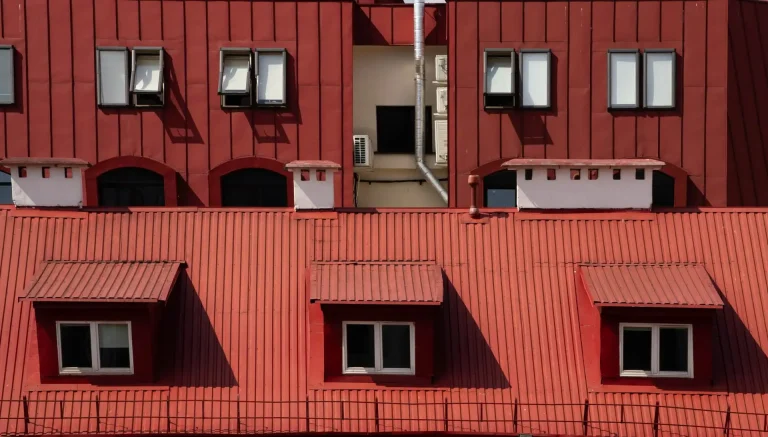
Roof Inspection
A focused inspection can distinguish drainage pressure, membrane wear, active leakage, and repairable defects.
Our Customers Value Our Flat Roof Work
Property owners appreciate understanding how drainage, seams, penetrations, roof edges, and membrane conditions influence the scope instead of receiving another isolated patch without a water-management plan.
Posted on GoogleTrustindex verifies that the original source of the review is Google. Tom was incredibly knowledgeable and helpful in replacing my homes roof which had extensive damage due to wear, tear and hail. He absolutely knocked it out the park, especially for the value and quality of his craft. He was very professional, fair priced, communicative, respectful of the property, with an outstanding outcome, 10/10 recommendation!Posted on GoogleTrustindex verifies that the original source of the review is Google. I am very happy with the work this company did for me. Tom was friendly and upfront about everything and their work was excellent. Thank you.Posted on GoogleTrustindex verifies that the original source of the review is Google. I had TJM roofing replace my roof and they did an outstanding job! They worked with my insurance and took care of everything! They made everything a breeze! Highly recommend :)
Give Water From Your Roof A Clear Exit
Choose TJM Roofing and Construction for flat roofing installation, repair, or replacement that coordinates the membrane with drainage, penetrations, seams, edges, and the areas where water places repeated pressure on the roof.